Amy’s Story
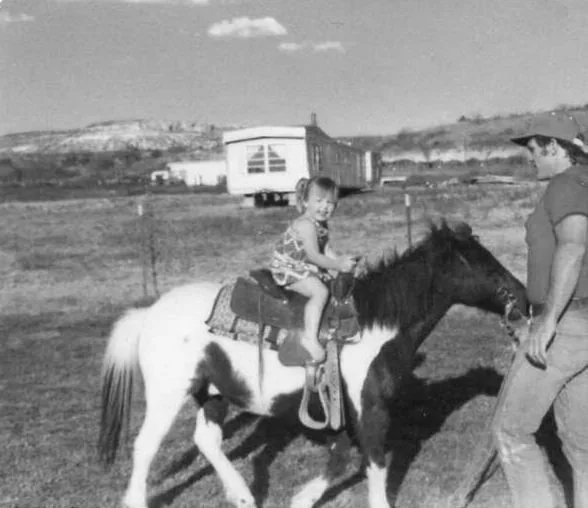
As a child, Amy spent summers on her grandfather’s land, hands in the soil, learning the lessons that only farming can teach: patience, responsibility, and the deep satisfaction that comes from growing food for people you love with care. In the rhythm of the hard work, Amy fell in love—not just with farming, but with what farming makes possible.
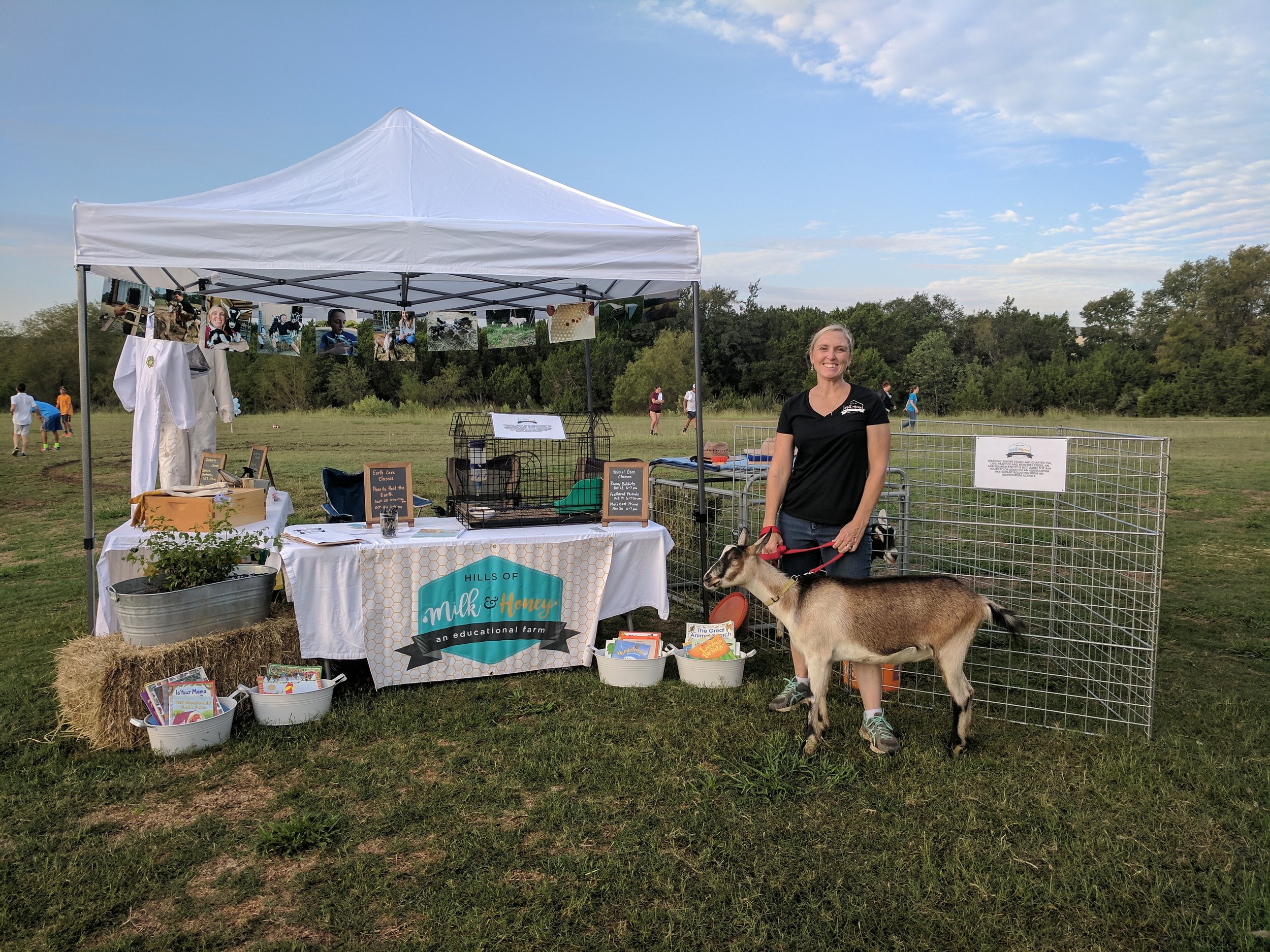
When Amy became a mother, feeding her family became about health, nourishment, and care.
Amy dove into learning about farming, food systems, and food marketing, eventually returning to the land to fulfill a long-held dream: growing her own food in Dripping Springs, Texas.
There, Amy embraced regenerative farming and holistic land management—methods that restore the soil, protect ecosystems, and nourish the people who depend on them. Her approach sparked curiosity.
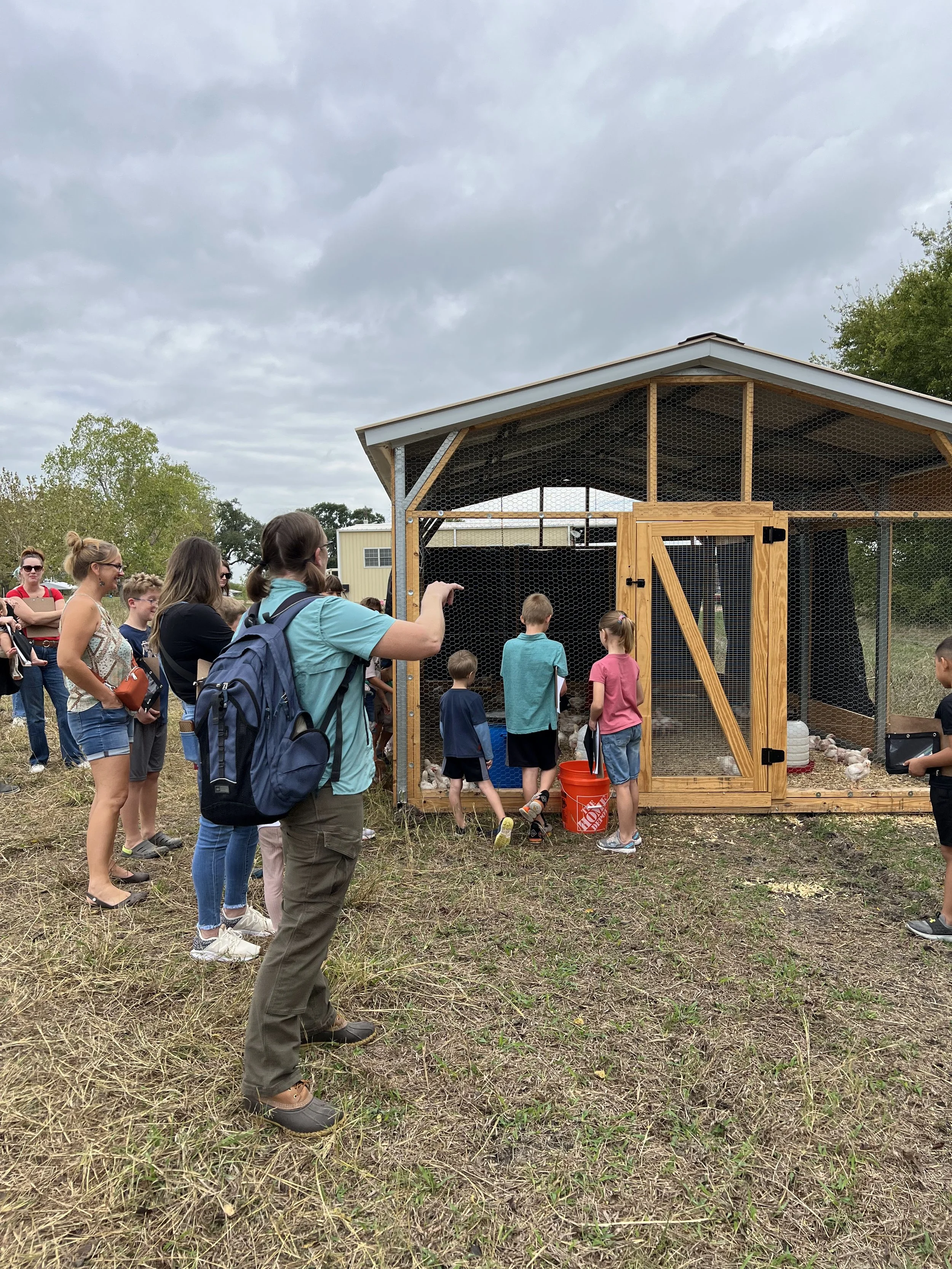
Soon, people were lining up to tour her farm where she helped connect them to where and how their food was grown. Farmers sought her guidance in transitioning to regenerative practices. Home school students were attending educational programming she had created.
Her farm became a community gathering place.
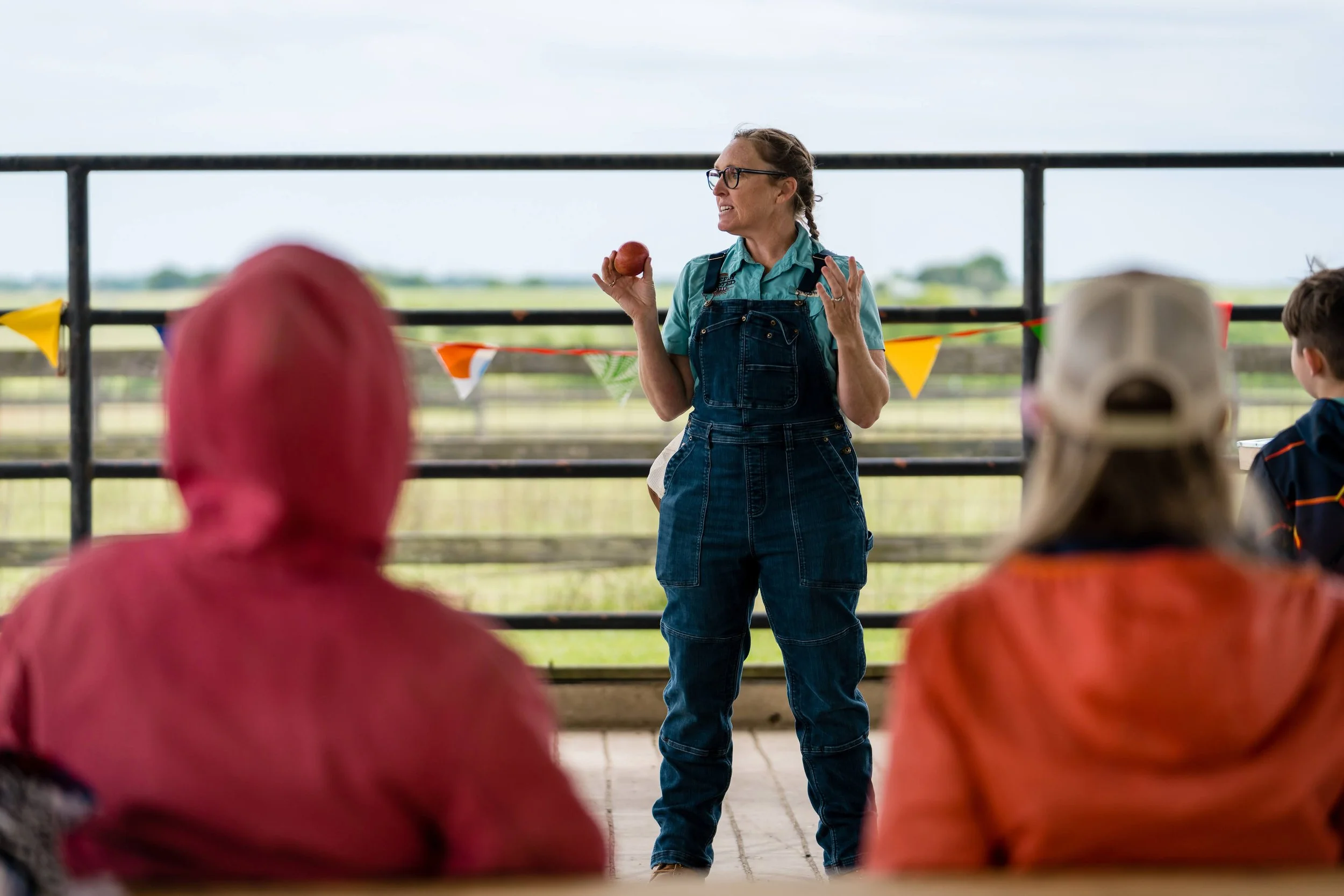
Amy saw what happens when food is connected to health, land, and life. Fearless Farmers was born from Amy’s belief that this knowledge—and this care—was needed everywhere.
Amy also soon learned how complex it is to get food from farm to table—and how many people it takes to make it work.
She saw that farms thrive when communities are engaged.
She understood that people choose regenerative food when they truly understand its nutritional, environmental, and economic value.
And she experienced firsthand how overwhelming food systems can be for farmers and consumers alike.
From that lived experience, Fearless Farmers was born – and with it, the idea that it takes a community rooted in connection, collaboration, and coordination within local food economies to make sustainable food systems.
Amy’s vision is simple, yet powerful: communities working together so farmers can thrive; soil can be restored; food can truly be “medicine” to nourish families; and local economies can grow stronger and more resilient.